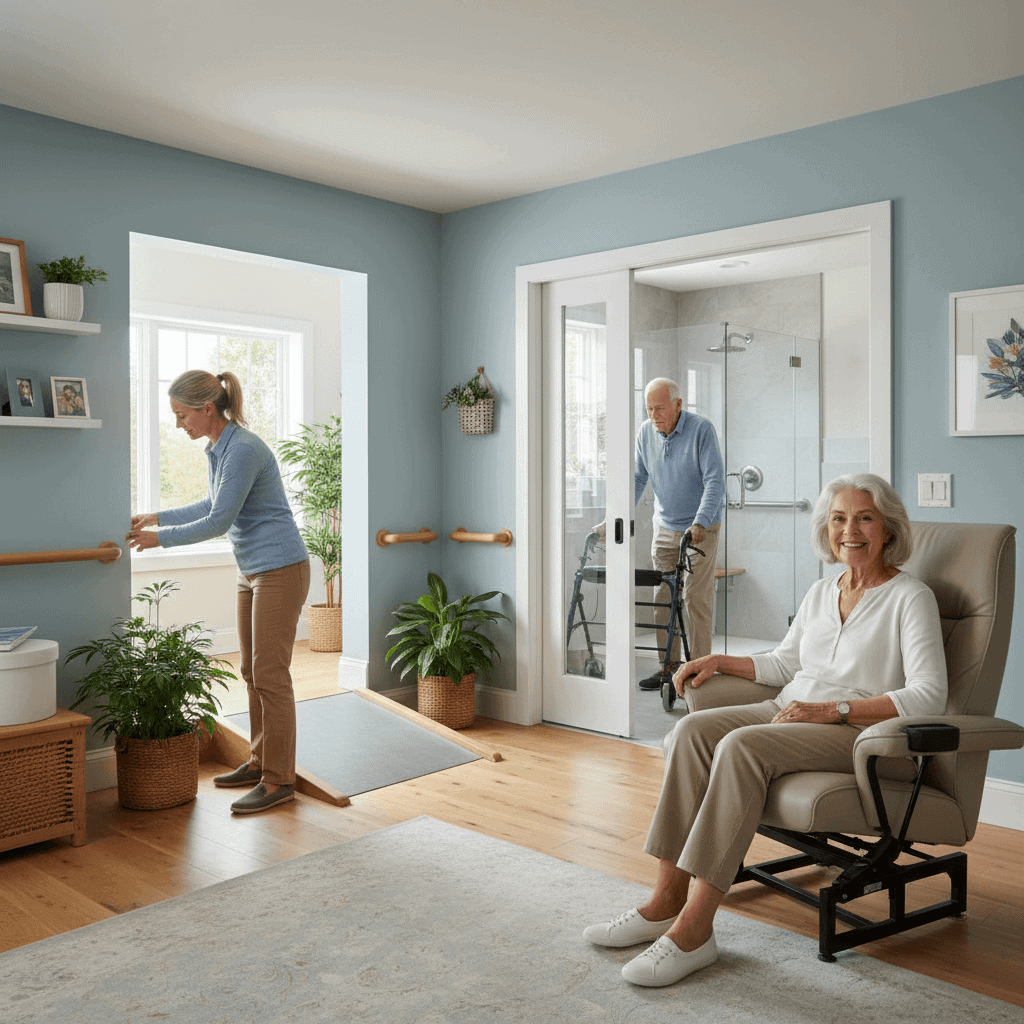
As people age their homes need to shift from places that simply look nice to places that truly work for daily life. Small changes can make a big difference for mobility, comfort, and independence. This article covers practical options that reduce risks, preserve dignity, and keep routines familiar while meeting changing needs.
Below you will find specific upgrades and design ideas that address safety, movement, hygiene, and personal expression. Each idea includes benefits, a real world example, and tips for planning so the work fits budgets and lifestyle goals.
Why thoughtful home changes improve senior lifestyles
Older adults are more likely to spend time at home. When living spaces match physical capacities the result is fewer accidents, fewer interruptions in daily routines, and more time for hobbies and relationships. Research shows that falls are a leading cause of injury among older adults. Making targeted changes in the home can reduce that risk and help people remain in familiar surroundings longer.
Good planning also lowers long term cost. A modest remodel now can avoid emergency repairs and reduce the need for more intensive care later. The goal is practical design that preserves autonomy while making daily tasks easier and safer.
Safety upgrades that reduce fall risk
Focusing on areas where slips and trips happen most will give immediate returns. Floors, lighting, and secure handholds matter more than cosmetic finishes. When choosing materials and layouts keep maintenance and durability in mind.
Flooring and rugs
Replace high gloss tiles and loose area rugs with low profile flooring that offers traction. Vinyl planks with a textured finish can mimic wood while being softer underfoot and easier to repair. If a rug is important for aesthetics choose a thin rug with a non slip pad and secure edges with corner tape. Transition strips between rooms should be flat and wide enough to roll a walker or cart over safely.
Lighting and handrails
Install layered lighting that removes dark corners. Motion activated lights in hallways and steps provide instant visibility at night. Handrails on both sides of stairways and secure grab bars in bathrooms give people reliable points of contact. For outdoor steps use contrasting color nosings to make edges more visible in varied light.
Mobility friendly layout updates
Minor layout changes can make moving through a home easier. Widening a doorway by a few inches, removing a lower cabinet to create a passing zone, or rearranging furniture to make clear pathways all reduce obstacles. Think about routine flows like kitchen to dining, bedroom to bathroom, and how equipment like walkers or rollators will be used.
- Create a single level route that connects primary spaces so fewer stairs are needed for daily tasks
- Position seating in rooms to allow someone to sit down without navigating tight turns
- Use furniture with firm, higher seats to make standing simpler
Bathroom and kitchen modifications for daily living
Bathrooms and kitchens are high priority because they combine slippery surfaces with complex tasks. Practical changes improve safety during bathing and keep meal preparation within reach.
Shower and toilet considerations
A curbless shower removes a tripping edge and makes transfers easier for those who use a shower chair. Install a handheld shower head and a stable seated area so bathing can be done while seated when needed. For toilets consider comfort height models which sit higher and reduce strain on hips and knees. A simple retrofit like a raised seat can be a low cost interim option.
Kitchen layout and storage
Move frequently used items to waist height and avoid low cabinets that require bending. Pull out shelves and drawers make access easier than deep fixed cabinets. Lever style handles on faucets and knobs on cabinets reduce fine motor demand. Place a small work surface at a comfortable height for seated meal prep if standing becomes difficult.
Personal touches that preserve identity and dignity
Design changes do not have to be purely functional. Personal items, color choices, and room arrangements all contribute to a sense of home. A space that reflects someone’s history and tastes supports emotional well being along with practical needs. Consider grouped family photos at eye level, favorite quilts on beds, and safe display shelving for cherished objects.
For ideas and detailed suggestions on customizing spaces browse this guide to senior home personalization where you will see examples of color schemes, furniture placement, and small decor updates that make a place feel like one person’s own.
Helpful technology that fits everyday life
Technology can improve safety and convenience when chosen with user comfort in mind. Avoid flashy gadgets that require frequent updates. Instead pick devices with simple interfaces and reliable function. Examples include large button phones, wireless sensors that notify a trusted contact if a fall is detected, and programmable thermostats with clear displays.
- Motion sensors for night lighting reduce trips to the switch
- Smart plugs allow lights and appliances to be scheduled without complex setups
- Medication reminder systems with loud, repeated alerts support consistent medication routines
Introduce new devices gradually and offer hands on practice. Label controls clearly and keep written instructions in a visible spot. When shopping look for products with solid warranty and good customer reviews from buyers in similar life stages.
Working with professionals and family to plan changes
When planning larger work consult with occupational specialists, interior designers who have experience with older adults, or a trusted contractor. A short home visit can yield clear prioritized recommendations and estimate costs. Consider staging changes in phases to spread expense. Start with the highest risk areas such as stairs and bathrooms.
Include the future occupant in decision making whenever possible. Their input on color, layout, and routines will make changes more usable and better accepted. Family members who take part in the planning process often report reduced stress when tasks are divided and timelines are clear.
Paying for updates and keeping projects manageable
Costs vary widely depending on scope. Budget friendly options such as improved lighting, grab bars, and non slip flooring can deliver large safety benefits for modest outlay. For larger projects like full bathroom refits get at least three quotes and ask potential contractors for references from similar jobs. Local aging services agencies sometimes offer loan programs or grants that lower upfront cost for eligible homeowners.
- Make a prioritized list with must have, nice to have, and future items
- Stage projects so daily life is least disrupted during work
- Keep warranties and installation receipts in a folder for future resale value
Many communities also offer in person or virtual workshops that show low cost techniques for home updates. Attending one can spark ideas that fit a specific home without large remodels.
To pick the right mix of changes start with daily routines. Observe tasks that require reaching, bending, climbing, or prolonged standing and then decide which changes will return the biggest benefits for comfort and safety. Small investments that target those tasks will usually give the highest return.
In closing, making homes support senior lifestyles is about practical choices that prioritize safety, movement, hygiene, and personal meaning. Focus first on preventing falls and simplifying frequent tasks. Add personal touches to keep spaces comforting and familiar. Work with trusted professionals for more complex changes and explore funding options to keep costs manageable. If you are planning updates begin with a short home assessment and a prioritized list. Take one step at a time and include the person who will live in the space so changes fit real life. Ready to start planning a project for a loved one or yourself Look for local resources and contractors who specialize in older adult housing needs and schedule a consultation to map out the most important first steps.