Every homeowner faces a clogged toilet at some point. It can be a minor nuisance or a plumbing emergency depending on the cause and how you respond. Understanding the common reasons toilets clog helps you react faster and avoid repeated blockages that can damage flooring or create sanitation hazards.
This article breaks down the typical culprits behind toilet backups and offers practical tips you can use right away. You will find clear examples, simple troubleshooting steps, and guidance on when a problem is likely to need professional help.
Common Reasons Toilets Clog with Household Items
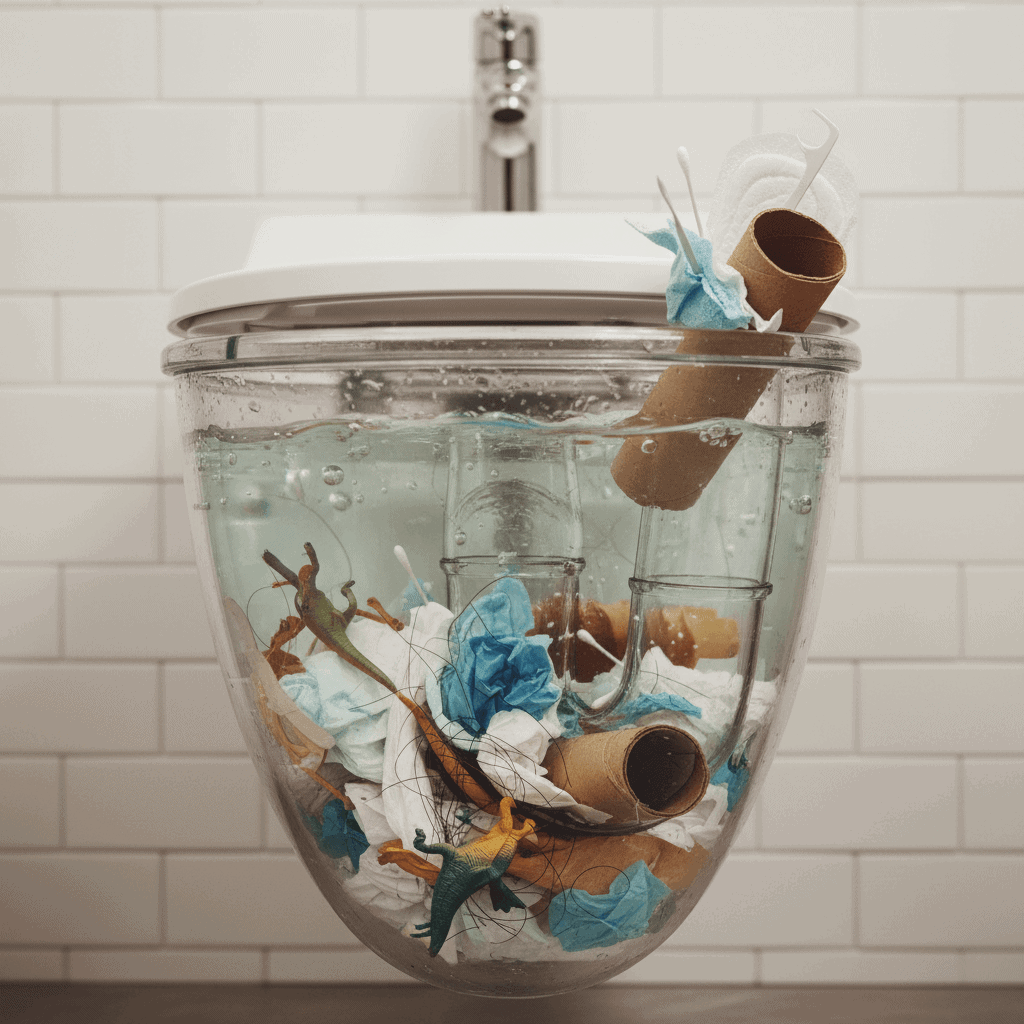
One of the most frequent causes of a clogged toilet is people flushing items that are not meant to go down a drain. The toilet is designed to handle human waste and toilet paper only. Items that seem small can still catch and create a blockage further down the trap or in the main sewer line. Examples include paper towels, feminine hygiene products, cotton swabs, dental floss, medication blister packs, and plastic wrappers.
Tip Keep a small waste bin beside the toilet and post a polite note for guests. This reduces the chance of nonflushable objects entering the plumbing system. If a child is involved, explain what is safe to flush and what is not.
Too Much Toilet Paper in One Flush
Many blockages happen when people use excessive amounts of toilet paper in a single flush. Even paper designed to break down can overload the trap. If your household prefers thicker or luxury toilet paper, consider switching to a single ply for toilet bowls with less powerful flushes. Low flow toilets and older models with weak siphoning action are especially vulnerable to paper build up.
Example If you notice slow draining after a large bathroom visit, try flushing twice rather than loading the bowl. A quick second flush after the first has helped many households avoid a clog entirely.
Low Flow Toilets and Design Limitations
Modern low flow toilets use less water per flush to conserve resources. While that change is good for utility bills and the environment, it can lead to incomplete removal of waste in some models. Older plumbing lines can also compound the problem because they might not maintain enough slope or diameter to move material efficiently.
Signs Your Toilet May Be Underperforming
- Water barely clears the bowl after a flush
- You regularly need to flush twice
- Frequent soft blockages that resolve with a plunger
What You Can Do
Start with simple fixes like a more powerful plunger designed for toilets. If the problem persists consider a replacement trap or a newer toilet model that balances water savings with flushing power. A licensed plumber can test the flush performance and recommend models that work well with your existing drain lines.
Hard Water Scale and Mineral Buildup
Hard water carries dissolved minerals that collect inside the trap and the rim jets. Over time this mineral scale reduces water flow and narrows the passage where waste travels. Scale often builds slowly so a toilet that rarely clogs can suddenly start to underperform when deposits reach a tipping point.
Tip Use a descaling product or a natural soak with vinegar to remove moderate buildup from the bowl and rim jets. For severe scale that visibly narrows the trap you may need a professional cleaning or a partial replacement of the toilet.
Foreign Objects and Accidents
Small toys, toothbrushes, contact lenses, and even items dropped from a pocket can cause the toilet to jam. These objects often lodge in the trap or the exit toward the sewer line and block flushing action. Pets and small children are common sources of accidental drops.
If you suspect a foreign object performance varies. A plunger can sometimes dislodge the item. For anything that plunging does not clear, avoid flushing repeatedly as this can push the object farther into the line. Use gloves and a specialized grabber if you can see and reach the item. When the object is not visible seek professional help.
Tree Roots and Sewer Line Blockages
When multiple fixtures in the house drain slowly or you detect sewage odors in the yard a clog further down the system is likely. Tree roots are notorious for intruding into sewer lines at seam or joint points. They can grow into cracks and create a physical restriction that causes toilets and drains to back up.
Signs of a Main Sewer Issue
- Multiple drains acting sluggish at once
- Gurgling sounds from toilets or drains
- Sewage odors near drains or in the yard
Solutions and Next Steps
Root intrusions are not DIY friendly. A plumber can run a camera inspection to confirm root presence and recommend options like mechanical root cutting or pipe repair. If the line is old and composed of materials that are prone to failure a partial or full replacement may be the best long term approach.
Old Pipes, Narrow Diameter, and Improper Slope
Plumbing built decades ago often uses smaller diameter pipes or materials that accumulate debris. Even when only one toilet clogs the actual cause may be a narrow or sagging pipe. A sagging or horizontal segment can create a trap where waste and paper collect over time.
Tip If you own an older home schedule a periodic inspection of drain lines. Camera inspections reveal soft blockages and structural problems before they escalate into repeated clogs. Repairs in exposed areas can be less expensive than replacing entire sections later.
When to Use a Plunger and When to Call a Professional
A good plunger is the first line of defense. Use a flange style plunger that creates a tight seal and use steady pressure rather than frantic pumping. If water is rising close to the rim stop and let the bowl settle before trying again. Repeated aggressive flushing can lead to overflow and water damage.
If a plunger fails there are other tools like an auger or a closet auger that reach further into the trap. These tools can remove hair, paper clumps, and small foreign objects. For anything that resists a closet auger or that causes multiple fixtures to back up the problem is likely deeper in the system and needs professional attention.
If quick measures do not clear the blockage consider professional options for toilet clog removal. A trained plumber can identify the exact location and cause, use camera inspections to avoid guesswork, and recommend the least invasive repair. For major clogs that involve the main line a professional has the right tools to restore flow with minimal disruption.
Prevention Strategies that Save Time and Money
Prevention beats emergency repairs every time. Here are practical steps that reduce the odds of being faced with a stubborn toilet clog.
- Flush only human waste and toilet paper
- Install a waste bin for sanitary items
- Limit the amount of toilet paper used in one flush
- Use a quality plunger and keep it close at hand
- Schedule camera inspections every few years for older lines
- Address slow drains early rather than waiting for a full backup
Simple routine maintenance keeps mineral scale and small obstructions from becoming major headaches. For renters talk to your landlord when you notice repeated clogs so the underlying issue can be resolved by the property manager.
Understanding common reasons toilets clog helps you act with confidence. Quick actions like using the proper plunger or removing visible foreign objects can solve most home clogs. If the culprit is deeper in the system professionals can perform targeted repairs and cleanings that get everything working again. When in doubt follow safety first rules and avoid pouring harsh chemicals down the bowl as they can harm pipes and are often ineffective against physical obstructions. For persistent or recurrent issues reach out to a local plumbing service for an inspection and options for repair including camera diagnostics and clearing techniques that preserve pipe integrity.
Conclusion
Clogged toilets are inconvenient and sometimes messy. The main culprits include nonflushable items, excessive toilet paper, low flow design limits, hard water scale, foreign objects, tree root intrusion, and old or improperly sloped pipes. Many blockages resolve with a proper plunger, careful use of a closet auger, or simple preventive steps. When multiple fixtures are affected or a clog resists basic fixes a professional evaluation is the safest route. Skilled technicians use diagnostic cameras and targeted cleaning to identify the root cause and recommend repairs that last. If you find yourself facing a stubborn blockage consider contacting a local service for reliable toilet clog removal to limit damage and restore normal use quickly. Taking action early reduces the risk of recurring problems and keeps your home sanitary and functional. Reach out to a licensed plumber if you are unsure about the cause or if you prefer someone to handle the work for you.