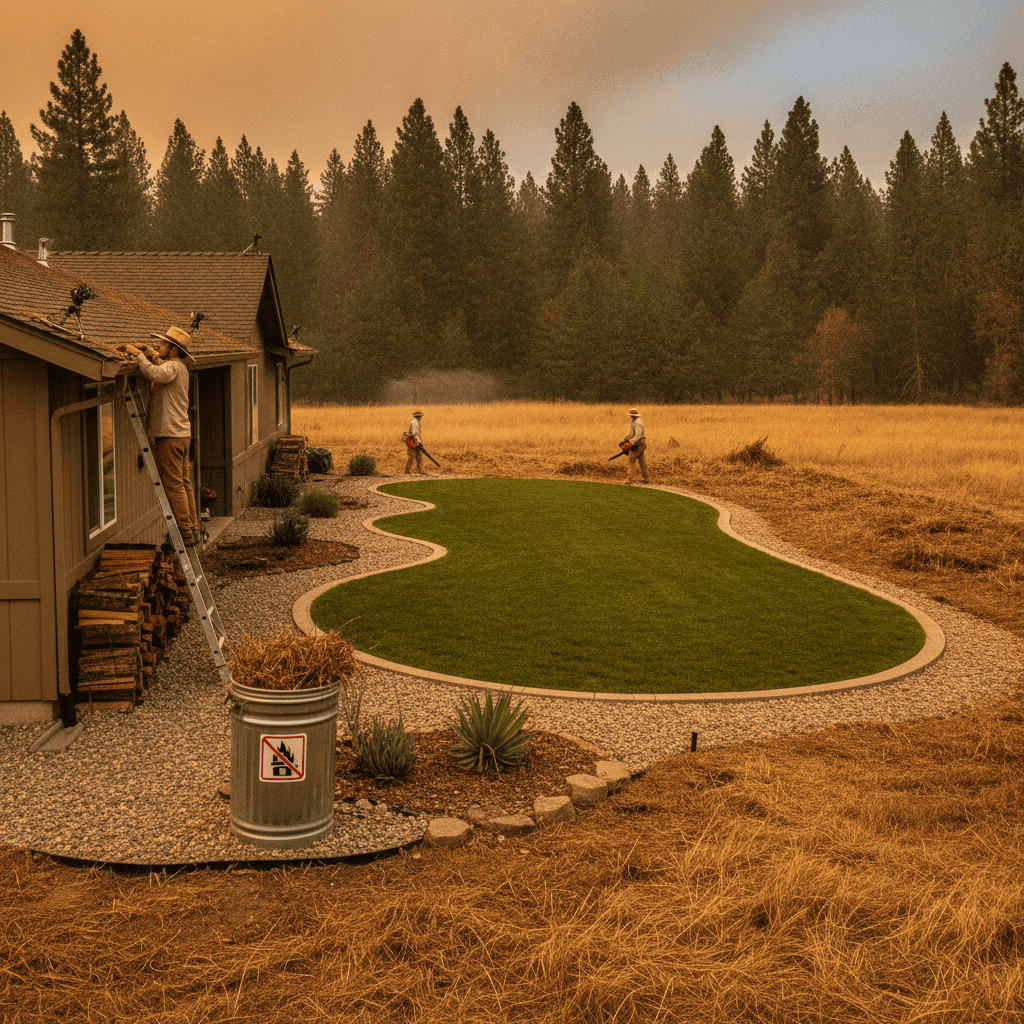
Living in a rural home offers so many wonderful things. You get wide open spaces and a peaceful connection with nature. However, this beautiful setting also comes with serious responsibilities, especially when it comes to wildfire season. I have seen firsthand how quickly a small spark can turn into a raging inferno, threatening everything in its path.
Every year, news reports show us the devastating impact of wildfires. Homes that once stood proud are reduced to ashes, and lives are turned upside down. As homeowners in these vulnerable areas, we cannot afford to be complacent. Being proactive and preparing our homes now can make a real difference when fire strikes.
I believe that preparedness is not just about protecting property. It is about safeguarding our families, our memories, and our sense of security. Taking concrete steps to harden our homes and create defensible spaces is not a suggestion. It is an absolute necessity for anyone living outside city limits.
Understanding the Wildfire Threat to Rural Homes
Rural properties face a unique set of challenges during wildfire season. Unlike urban areas with their open roads and fire hydrants everywhere, rural homes are often nestled among dense vegetation. This vegetation acts like a highway for fire, carrying flames straight to our doorsteps. I know how easy it is to feel safe, but the truth is, the wildland-urban interface is a high-risk zone.
The very beauty that draws us to country living can also be our biggest danger. Dry grasses, shrubs, and trees become highly flammable fuels during hot, dry weather. A single ember, carried on the wind, can land miles away and start a new fire. This is why understanding the specific threats to your rural home is the first step toward effective preparation.
Assessing Your Property’s Risk Factors
Each rural property has its own unique risk profile. I always tell people to walk their land with a critical eye. Look at the types of plants around your home. Are they highly flammable native species or well-maintained, fire-resistant landscaping? This makes a huge difference.
Consider the slope of your property and the prevailing wind patterns. Fire travels uphill much faster, and strong winds can push flames and embers at incredible speeds. Understanding these elements helps you pinpoint areas needing immediate attention and protection.
Recognizing Common Fuel Sources
Identifying potential fuel sources is simpler than most people realize. Anything that can burn is a fuel source. This includes dry leaves, pine needles, dead branches, and even your firewood pile. Many of these things are common around rural homes.
Even small decorative items like welcome mats or outdoor furniture made of flammable materials can catch fire from embers. So we must recognize these common items. We should also know how they contribute to fire spread if not managed properly.
Creating a Defensible Space Around Your Home
One of the most powerful tools we have in wildfire defense is creating defensible space. This is an area around your home that is managed to reduce fire risk. It is not about clear-cutting everything. It is about strategic landscaping and fuel reduction. I have worked on many properties, and I can tell you that a well-maintained defensible space significantly increases a home’s chance of surviving a wildfire.
The goal is to slow the fire down, reduce flame height, and create a buffer zone where firefighters can safely operate. We divide this space into several zones, each with specific guidelines for maintenance. This systematic approach allows homeowners to tackle the task in manageable steps. It gives peace of mind knowing you have done what you can to protect your property.
Zone 1: The Immediate Zone (0-5 feet)
This zone is critical because it is closest to your home. I call it the “ember-free zone.” The main idea here is to eliminate all flammable materials. This includes dead leaves, pine needles, and any dried vegetation.
Remove woodpiles, propane tanks, and outdoor furniture that can easily ignite. Instead, consider using hardscaping materials like concrete or gravel. This creates a non-combustible buffer right next to your house.
Zone 2: The Intermediate Zone (5-30 feet)
In this area, the focus shifts to reducing fuel and creating breaks in vegetation. I advise thinning out trees and shrubs so that fire cannot easily jump from one plant to another. Make sure there is enough space between trees and also between trees and shrubs. Trim low-hanging branches from trees, especially those overhanging your home. This prevents ground fire from climbing into the tree canopy.
Keep grasses mowed short and remove any dead or dying plants. If you have a shed or other outbuildings, apply these same defensible space principles around them too. This layer of protection adds another critical barrier against approaching flames.
Hardening Your Home’s Exterior Against Embers
Many people think about flames consuming their homes. But the truth is, embers cause most house fires during wildfires. These small, glowing pieces of wood or vegetation can travel for miles on the wind. They can slip into tiny cracks or openings, igniting your home from within. I always stress the importance of thinking like an ember when you are inspecting your property for vulnerabilities.
Making your home more resistant to embers is often a matter of small, yet vital, upgrades. These improvements can significantly increase your home’s survival rate. For a comprehensive resource on safeguarding your property, I recommend checking out this rural wildfire safety guide. It provides a lot of good advice.
Roof and Gutter Protection
Your roof is the most vulnerable part of your home to embers. It is a large, flat surface where embers can easily land. Make sure your roof is made of fire-resistant materials like tile, metal, or composition shingles. If you have an older roof, consider upgrading it.
Keep your gutters free of leaves and pine needles, because these are perfect tinder for embers. Installing non-combustible gutter guards can help prevent debris buildup. This simple step can stop embers from collecting and igniting your roofline.
Vents and Windows
Vents are another common entry point for embers. I recommend replacing standard vents with fine mesh screens. These screens should have openings no larger than 1/8 inch. This keeps embers out while still allowing air circulation.
Windows can also be vulnerable. Single-pane windows can shatter from intense heat, letting embers inside. Dual-pane or tempered glass windows offer better protection. You can also install fire-resistant shutters for added defense during a high-risk period.
Developing an Emergency Evacuation Plan
Even with the best preparation, there are times when evacuating your rural home becomes necessary. Having a clear, practiced emergency evacuation plan is just as important as defensible space. During a wildfire, things can happen very quickly, and panic can set in. Making decisions on the fly puts everyone at greater risk. My experience tells me that a well-rehearsed plan saves precious minutes and reduces stress during a crisis.
A good plan includes multiple escape routes, a family communication strategy, and designated meeting points. It is not enough to just talk about it once. We need to practice these steps regularly. This ensures everyone knows what to do and where to go when the time comes. This makes a huge difference for safety.
Planning Your Escape Routes
Start by identifying at least two different ways out of your neighborhood or rural area. Sometimes the main road might be blocked, so having alternatives is crucial. Drive these routes often, so you are familiar with them in all conditions. This also helps you spot any new roadblocks or changes.
Designate a primary meeting place outside the fire zone, like a relative’s house or a community center. Also have a secondary meeting place further away. Everyone in your household should know these locations. This ensures you can account for everyone quickly.
Preparing an Emergency Kit (Go-Bag)
An emergency kit, often called a “go-bag” or “72-hour kit,” is a must-have for every household. I always have mine ready to grab at a moment’s notice. This bag should contain essential items to sustain you and your family for at least three days. Store it in an easily accessible location, like near the door or in your car.
Here are some items I always include:
- Water: One gallon per person per day.
- Non-perishable food: Enough for three days.
- First-aid kit and any necessary prescription medications.
- Flashlight and extra batteries.
- Battery-powered or hand-crank radio.
- Copies of important documents: IDs, insurance policies, birth certificates.
- Cash and contact information for family and emergency services.
- Pet supplies: Food, water, leash, carrier.
Checking and updating this kit every six months ensures everything is current and ready to go.
Ongoing Maintenance for Wildfire Preparedness
Wildfire preparedness is not a one-time project. It is a continuous effort, much like regular home maintenance. I think of it as a seasonal ritual. Each spring, summer, and fall brings new tasks that contribute to the overall safety of my rural home. Neglecting these ongoing chores can quickly undo all your hard work and leave your property vulnerable again. This makes staying on top of small tasks absolutely necessary.
My personal commitment to these routines gives me peace of mind, because I know I am doing my part to protect what matters most. Small consistent actions build a strong defense. This helps us ensure our homes remain as safe as possible from fire.
Seasonal Yard Work
Spring is the time for initial clean-up. This means removing dead leaves and branches that accumulated over winter. Trim back new growth from shrubs and trees to maintain proper spacing. This prevents dense vegetation from becoming a fuel ladder.
In summer, focus on keeping grasses mowed short and clearing any new dry material that collects. Pay extra attention to areas closest to your home, as fire risks are highest during these hot months. Fall is all about clearing fallen leaves and pine needles. Also make sure to clean gutters thoroughly to prevent debris buildup for the next season.
Home System Checks
Beyond yard work, regularly check your home’s systems that relate to fire safety. Inspect your water sources, such as wells or storage tanks, to ensure they are full and accessible. If you have a generator, test it regularly to confirm it works properly in case of power outages.
Make sure fire extinguishers are easily accessible and fully charged. I always keep one in the kitchen and another in the garage. These small checks can make a big difference when every second counts.
Community Involvement and Support
Protecting a rural home from wildfire is not something you have to do alone. In fact, community involvement makes everyone safer. When neighbors work together, the collective effort builds a much stronger defense against fire. I have seen firsthand how a united community can implement effective strategies that benefit every property owner. This creates a powerful network of support and shared knowledge.
Programs like Firewise USA encourage neighborhoods to work together on fire preparedness. These initiatives provide resources and a framework for community-wide risk reduction. Local fire departments are also a fantastic resource. They often offer guidance, property assessments, and public education on wildfire safety. Getting to know your local firefighters and what they recommend is a smart step. It strengthens our defense when everyone contributes and learns from each other. This is a very powerful step.
A Collective Effort for Lasting Safety
Preparing your rural home for wildfire season involves a blend of smart planning and consistent effort. I have outlined the core steps we can take. We must understand the threat, create defensible spaces, harden our home exteriors, and plan for emergencies. These are not just suggestions. They are essential actions that truly impact the survival of our homes and the safety of our families. Remember, an ember can travel far, so your actions protect more than just your own property. They help protect your neighbors too.
Ongoing maintenance is key. Fire preparedness is not a one-time task, but a continuous commitment. Each season brings new challenges and new tasks, so stay vigilant and adapt your plans as needed. By taking these steps and working together as a community, we can significantly reduce wildfire risks. We can safeguard our rural properties and continue to enjoy the peace of country living. Do not wait for a fire to start. Begin your preparations today. Protect your home and loved ones now.